
Hail Damage Roof Inspection: What To Check For
A hail damage roof inspection in Fort Worth helps homeowners check shingles, gutters, vents, flashing, and attic signs after a storm. Spring hail rolls through DFW fast — here's how to document the damage before small impacts turn into leaks.
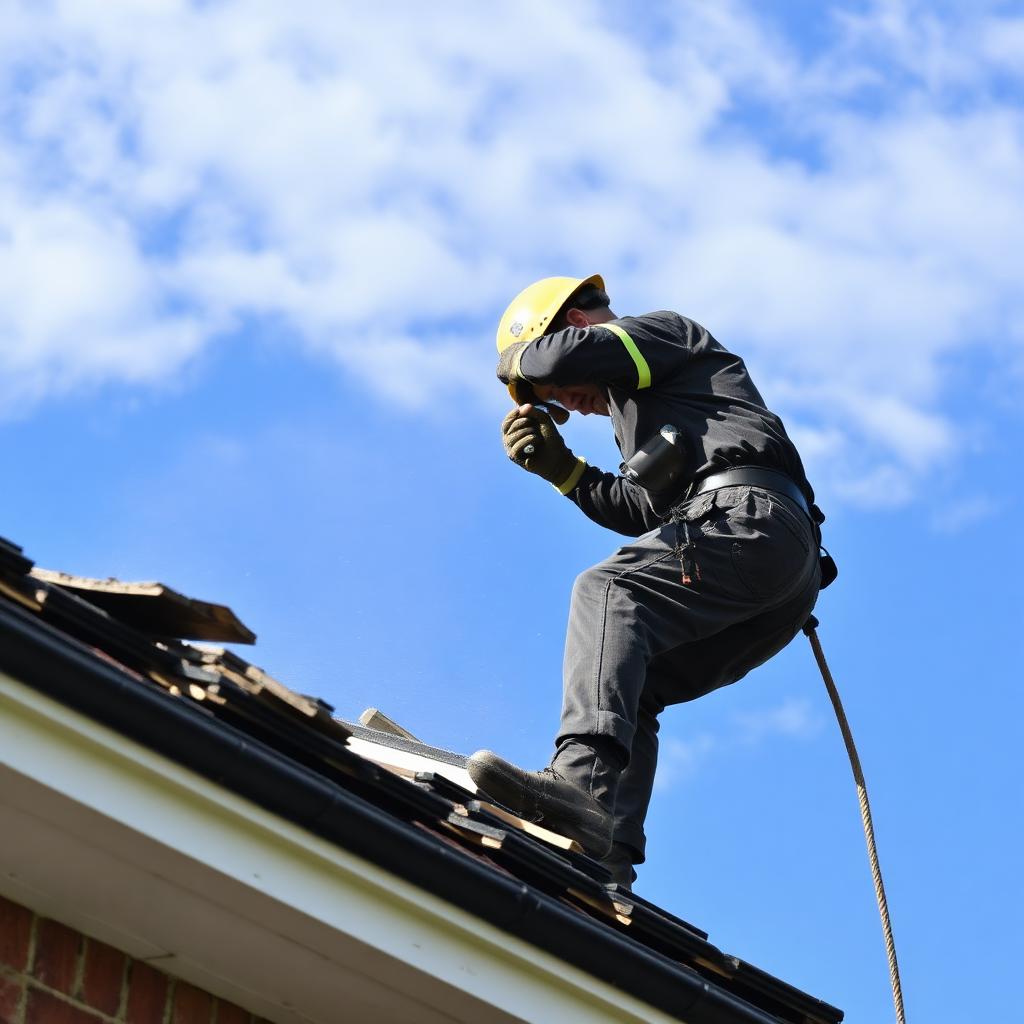
A hail damage roof inspection in Fort Worth helps homeowners check shingles, gutters, vents, flashing, and attic signs after a storm. Since hail activity rises in spring, especially across Tarrant County and the DFW metroplex, a hail damage roof inspection in Fort Worth can document roof condition before small damage turns into leaks.
Spring is when many Texas homeowners start paying closer attention to hail. Warm Gulf moisture meets cold upper air and builds strong thunderstorms along the I-35 corridor. A quick cell can move across DFW and leave one neighborhood with roof damage while the next neighborhood only gets rain.
For homeowners, the main lesson is simple. A hail damage roof inspection in Fort Worth is not about panic. It is about knowing what happened to the roof after impact. Hail can bruise shingles, knock off protective granules, dent vents, loosen flashing, and clog gutters with debris. Some of this damage is easy to miss from the ground.
Start With Safety First
Do not climb onto your roof after hail. Wet shingles, loose granules, and storm debris can make the surface slick. Even a roof that looks dry from the driveway may be unsafe.
Start from the ground. Walk around the home when the storm has passed and conditions are safe. Use your phone camera zoom or binoculars. Take photos from each side of the house. If you see something that looks new, take a wide photo and a close photo.
A hail damage roof inspection in Fort Worth should be completed by a trained roofer because hail damage is not always obvious. A shingle can look normal from below but feel soft or bruised under closer inspection. A vent cap may have small dents that show impact direction. A gutter may hold piles of granules that tell a bigger story.
What To Check From The Ground
Before a roofer arrives, homeowners can look for safe signs around the property. You are not trying to diagnose the roof. You are gathering clues.
Check Gutters And Downspouts
Look for dents on gutters, downspouts, and metal elbows. Hail often marks soft metals before roof damage is visible. Also check the bottom of downspouts for shingle granules. Granules look like coarse sand and may collect in small piles after a storm.
Some granule loss happens with age, especially under Texas sun. Heavy granule piles right after hail are different. They may point to impact on the shingle surface.
Check Siding, Screens, And Painted Trim
Walk around the siding, window screens, fences, and painted trim. Fresh chips, torn screens, and dented metal can show the direction and strength of the storm. In Arlington or Keller, hail can hit one side of a house hard while the other side looks untouched.
These signs do not prove roof damage. They help guide the inspection.
Check Shingles From A Distance
Stand back far enough to see each roof slope. Look for missing shingles, dark patches, bare spots, crooked tabs, or uneven shingle lines. Hail damage can look like random dots, while wind damage may look like lifted or creased shingles.
A hail damage roof inspection in Fort Worth is important because hail often affects the slope facing the storm. One side of the roof may show damage while another side looks normal.
Check Vents, Flashing, And Roof Edges
Look for dented vents, bent flashing, damaged pipe boots, and lifted metal at roof edges. Hail can dent vent caps and loosen sealant around roof penetrations. Heavy rain that follows hail can then push water into small gaps.
Fort Worth storms can bring hail first and sudden heavy rain right after. That combination can expose weak areas quickly.
What Roofers Look For Up Close
A roofer checks more than visible dents. They look for patterns, texture, soft spots, granule displacement, and impact marks. They may inspect shingles, valleys, ridge caps, vents, gutters, flashing, pipe boots, skylights, and attic signs.
During a hail damage roof inspection in Fort Worth, the roofer may check whether shingle bruises are random, whether granules were recently displaced, and whether soft metal dents match the roof slope damage. Good inspection work compares several clues instead of judging one mark.
Experienced roofers often say that hail damage is a pattern, not one dot. One mark on one shingle may not tell the full story. A pattern across the slope, combined with dented vents and granules in gutters, gives a clearer picture.
Why Damage Is Not Always Visible Right Away
Hail can bruise the shingle mat under the surface. The roof may not leak that day. Over time, sun, wind, and rain can wear down the bruised area. Granules may loosen. The shingle may age faster in that spot.
This is why homeowners should not rely only on whether water is dripping inside. A roof can be damaged without an active leak. At the same time, not every hailstorm causes functional roof damage. A professional inspection helps separate normal wear from storm impact.
A hail damage roof inspection in Fort Worth gives you a clear condition record. It can show what needs repair, what should be watched, and what appears to be normal aging.
Local Weather Patterns That Affect Fort Worth Roofs
Fort Worth sits in a part of North Texas where storms can build quickly. Hail may move through from the southwest, rain may follow along the I-20 corridor, and wind can shift during the same event. Sudden heavy rain can overwhelm gutters, while hail can damage the shingle surface before water starts testing weak spots.
The National Weather Service Fort Worth office provides local storm resources, watches, warnings, radar, and severe weather outlooks for the region. These tools are useful because DFW storms can be narrow and fast moving.
A homeowner in Benbrook may see only pea size hail, while a family in Southlake sees larger stones during the same afternoon. That is why a hail damage roof inspection in Fort Worth should focus on the specific property, not only the general forecast.
A Local Customer Scenario
A Fort Worth homeowner called after a late spring storm that brought loud hail for about ten minutes, followed by heavy rain. From the driveway, the shingles looked mostly normal. The homeowner noticed small dents on a downspout and a pile of dark granules near the garage.
During the inspection, our team found scattered hail bruising on the west facing slope, dents on two roof vents, and loose granules in the gutter trough. There was no active interior leak. The most helpful part was the documentation. The homeowner had photos of the hail on the patio, the downspout dents, and the granule pile.
That is the value of a hail damage roof inspection in Fort Worth. It gives the homeowner a roof condition record before guessing, waiting, or assuming the roof is fine.
What To Document After A Hailstorm
Good documentation is simple and factual. Take photos of hail on the ground before it melts. Take photos of gutter dents, downspout dents, damaged screens, granules near downspouts, and any visible roof changes.
Write down the date and time of the storm. Note whether hail came before rain or after rain. Note which side of the home was hit hardest. If you notice ceiling stains or damp attic areas, take photos and mark the date.
If insurance questions come up later, timelines vary by insurer. A roofer can inspect and document roof condition, but insurers determine their own requirements. The roofer should not promise outcomes or interpret policy decisions.
When To Schedule An Inspection
Schedule an inspection if you see missing shingles, heavy granule loss, dented vents, dented gutters, damaged screens, ceiling stains, attic moisture, or roof debris in the yard. You should also schedule one if your immediate neighborhood had strong hail and nearby homes are being inspected.
A hail damage roof inspection in Fort Worth is especially helpful after spring storms because hail activity increases sharply and weather can shift from sun to rain in the same day. A quick condition check can help you understand whether the roof needs repair, monitoring, or no immediate action.
Do not wait for a leak to appear before asking questions. Water stains can show up later, and by then insulation or drywall may already be affected.
Why Brad Anderson Roofing Is A Local Fit
Brad Anderson Roofing works across Fort Worth and the surrounding DFW metroplex, and has been trusted locally since 1992. As an Owens Corning and GAF Preferred Installer with an A+ BBB rating and a 5-year labor warranty, the team focuses on clear, careful, and local storm inspections.
Local experience matters because storm inspections should be honest and specific. A roofer who works in Fort Worth understands the way hail can move through neighborhoods like Benbrook, Keller, Southlake, Arlington, Colleyville, and Bedford. They also understand how Texas sun, wind, and spring rain affect roof materials over time.
What A Professional Inspection Should Include
A professional inspection should include a full roof review when safe, photos, notes, and a plain language explanation. The roofer should check shingles, ridge caps, valleys, gutters, vents, flashing, skylights, pipe boots, roof edges, and attic signs when accessible.
A strong hail damage roof inspection in Fort Worth should also separate storm damage from age related wear. This is important because older shingles may have natural granule loss, cracking, or curling. Hail damage has different patterns and may appear with nearby soft metal dents.
The roofer should explain what is urgent and what is not. Direct communication helps homeowners make better decisions without pressure.
Common Signs Of Hail Damage On Shingles
Hail damage on asphalt shingles may show as dark impact spots, missing granules, soft bruises, exposed mat, or random impact marks. The pattern often depends on hail size, wind direction, roof slope, shingle age, and roof material.
Metal vents may show round dents. Gutters may show small pockmarks. Ridge caps may show wear faster because they sit higher and take more direct exposure. Valleys may collect granules and debris.
During a hail damage roof inspection in Fort Worth, a roofer should review these signs together. One dent on a vent does not tell the full story. A field of shingle bruising, matching vent dents, and fresh granule loss gives stronger context.
Common Signs Inside The Home
Interior signs may include ceiling stains, damp insulation, musty smells, water near light fixtures, or dark attic decking. Not every hail damaged roof leaks right away, but interior checks are still useful after heavy rain follows hail.
If water appears near electrical fixtures, treat it as a safety issue. Turn off power to that area if safe and contact the right professional. Do not ignore a small stain just because the roof looks fine outside.
Fort Worth homeowners often notice stains after sudden rain, not during the hail itself. That can happen when hail weakens the roof surface and rain finds the entry point later.
What Homeowners Should Avoid
Avoid climbing on the roof. Avoid pressure washing shingles. Avoid scraping impact marks. Avoid sealing random areas without knowing the source. Avoid assuming the roof is fine just because no shingles are missing.
Also avoid waiting until the next storm if you already see signs of damage. A hail damage roof inspection in Fort Worth can provide a clear record while the signs are still fresh.
How To Prepare For The Roofer
Before the roofer arrives, gather your notes and photos. Share the storm date, what you saw, and whether neighbors had damage. Mention any interior stains, attic moisture, gutter overflow, or granule piles.
Clear access to gates, driveways, and attic openings if possible. Keep pets inside. If you have records of roof age or past repairs, share them. This helps the roofer understand the full roof history.
The inspection should feel practical, not stressful. You should know what was checked, what was found, and what the next step is.
Why Small Hail Can Still Matter
Many homeowners think only large hail matters. Larger hail usually creates greater concern, but small hail can still affect older or worn shingles, especially when wind drives it against one roof slope. A storm with smaller hail and strong wind can sometimes create more visible roof wear than a calm storm with short hail.
Texas roofs already deal with strong UV exposure, heat, wind, and sudden rain. Hail adds another layer of stress. That is why a hail damage roof inspection in Fort Worth should consider roof age, material condition, and the exact storm path.
Schedule A Hail Damage Inspection To Document Your Roof Condition
Hail can move fast through Fort Worth, and the signs are not always obvious from the street. Start with safe ground level checks, document what you see, and avoid climbing onto the roof. Look for dents, granules, damaged screens, lifted shingles, roof debris, attic moisture, or ceiling stains after spring storms.
A hail damage roof inspection in Fort Worth gives you a clear roof condition record after hail, wind, and heavy rain. Brad Anderson Roofing can inspect the roof, explain the findings, and help you understand practical next steps without pressure.
Frequently Asked Questions
What Should I Check First After A Hailstorm In Fort Worth?
Start with safe ground level signs. Check gutters, downspouts, window screens, siding, fences, patio furniture, and granules near downspouts. Then look at the roof from a distance. If you see dents, granules, missing shingles, or stains inside, schedule a hail damage roof inspection in Fort Worth.
Can Hail Damage A Roof Without Causing A Leak?
Yes. Hail can bruise shingles or loosen granules without creating an active leak right away. Over time, damaged areas may wear faster. That is why inspection and documentation matter after strong hail.
How Soon Should I Schedule An Inspection After Hail?
Schedule once conditions are safe, especially if you see visible damage or nearby homes were hit. Hail signs are easier to document while they are fresh. If insurance timelines apply, timelines vary by insurer.
What Does A Roofer Look For During A Hail Inspection?
A roofer checks shingles, ridge caps, vents, pipe boots, flashing, valleys, gutters, skylights, roof edges, and attic signs when accessible. The goal is to document roof condition and explain whether damage, wear, or maintenance issues are present.
Is Hail Damage Easy To See From The Ground?
Not always. Missing shingles may be visible, but bruising, soft spots, exposed mat, and granule displacement often require a trained close inspection. Homeowners should stay on the ground and let a roofer inspect safely.
Does Every Hailstorm Mean I Need Roof Repair?
No. Some roofs handle hail without repair needs. Others have damage that should be addressed. A hail damage roof inspection in Fort Worth helps determine what happened to your specific roof instead of guessing from the storm report alone.
Does Brad Anderson Roofing Inspect Homes Outside Fort Worth?
Yes. Brad Anderson Roofing serves Fort Worth and nearby DFW communities, including Benbrook, Arlington, Keller, Southlake, Colleyville, Hurst, Euless, and Bedford. Local storm paths vary, so each property should be checked based on its own conditions.
Document your roof condition today.
Brad Anderson Roofing — trusted locally since 1992. Free, no-pressure inspection across Fort Worth and the DFW metroplex.